To be honest, root canal treatment is one of those dental procedures that has a reputation it probably doesn’t deserve.
Mention the words “root canal” and you’ll often hear someone say, “I’ve heard they’re painful.” In reality, modern dentistry has come a long way. Today’s root canal treatment is designed to relieve pain, not cause it.
If you’ve been searching for root canal treatment in Hull, chances are you’re already experiencing discomfort, sensitivity, or perhaps your dentist has told you it’s the best way to save your tooth.
This guide explains everything you need to know, from recognising the signs to understanding the treatment itself and where you can receive expert care here in Hull.
What Is Root Canal Treatment?
Root canal treatment, sometimes called endodontic treatment, is a procedure that removes infected or damaged tissue from inside a tooth.
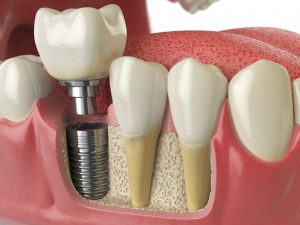
Inside every tooth is a soft tissue known as the dental pulp. It contains nerves and blood vessels that help the tooth develop. Once the tooth is fully grown, it no longer relies on this tissue to stay healthy.
When the pulp becomes infected, removing it can save the tooth and stop the infection from spreading.
Rather than extracting the tooth, root canal treatment allows you to keep your natural smile.
When Might You Need Root Canal Treatment?
There isn’t always one obvious sign.
Sometimes people experience severe pain. Other times, there may be very little discomfort until the infection has progressed.
Common symptoms include:
- Persistent toothache
- Pain when biting or chewing
- Sensitivity to hot or cold that lingers
- Swollen or tender gums
- A small pimple or swelling on the gum
- Tooth becoming darker in colour
- Facial swelling
- Bad taste in the mouth caused by infection
If you’re experiencing any of these symptoms, it’s worth arranging an appointment with a dentist as soon as possible.
What Causes a Tooth to Need Root Canal Treatment?
Several things can damage the dental pulp.
The most common causes include:
Deep Tooth Decay
When a cavity is left untreated, bacteria can eventually reach the centre of the tooth.
Cracked or Broken Teeth
A crack may allow bacteria to enter the pulp even if the tooth looks relatively normal on the outside.
Dental Trauma
A knock or accident can damage the nerve inside a tooth, even if there isn’t an obvious fracture.
Large Fillings
Repeated dental work on the same tooth can sometimes weaken the pulp over time.
What Happens During Root Canal Treatment?
One of the biggest misconceptions is that root canal treatment is complicated or extremely painful.
In reality, most appointments follow a straightforward process.
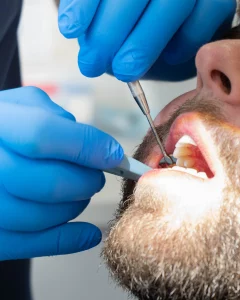
Your dentist will:
- Examine your tooth
- Take digital X-rays
- Numb the area with local anaesthetic
- Remove the infected pulp
- Clean and disinfect the root canals
- Fill and seal the canals
- Restore the tooth with a filling or crown where necessary
The aim is simple: remove infection while preserving the natural tooth.
Is Root Canal Treatment Painful?
This is probably the question dentists hear most often.
Years ago, root canal treatment had a poor reputation. Modern techniques, improved anaesthetics and better equipment have transformed the experience.
Most patients describe the procedure as feeling similar to having a filling.
The discomfort people associate with root canal treatment usually comes from the infection before treatment, not the treatment itself.
Why Saving Your Natural Tooth Is Usually the Best Option
Whenever possible, dentists prefer to preserve natural teeth.
Keeping your own tooth helps:
- Maintain your natural bite
- Prevent neighbouring teeth from moving
- Support jawbone health
- Avoid more complex restorative treatment later
- Maintain a natural-looking smile
Extraction may sometimes be necessary, but if a tooth can be saved safely, root canal treatment is often the better long-term solution.
Root Canal Treatment in Hull, Choosing the Right Dentist
Hull has several dental practices offering root canal treatment, but experience matters.
When choosing a dentist, look for:
- Modern diagnostic equipment
- Experience with complex root canal procedures
- Clear explanations of treatment
- Transparent pricing
- Good patient reviews
One local practice that many Hull residents trust is Spring Dental Practice.
Why Hull Patients Choose Spring Dental Practice
Spring Dental Practice has become a popular choice for patients across Hull and surrounding areas because of its patient-centred approach.
Patients appreciate:
Modern Technology
Digital imaging helps diagnose problems accurately before treatment begins.
Experienced Dentists
The team has extensive experience managing root canal cases, from straightforward procedures to more complex treatments.
Honest Advice
If root canal treatment is the best option, they’ll explain why. If another treatment is more suitable, they’ll discuss that too.
Comfortable Environment
Many patients arrive feeling nervous. The team takes time to explain each step, helping people feel informed and reassured throughout treatment.
How Much Does Root Canal Treatment Cost in Hull?
The cost depends on the complexity of the tooth being treated.
At Spring Dental Practice, root canal treatment starts from:
From £650
A consultation will determine exactly what’s required before treatment begins.
The practice also offers transparent pricing and can discuss payment options where appropriate.
What Happens After Root Canal Treatment?
Recovery is usually straightforward.
It’s normal to experience mild tenderness for a few days, particularly when biting.
Most patients can:
- Return to work the next day
- Eat normally once numbness has worn off
- Manage any temporary discomfort with over-the-counter pain relief
Your dentist will also advise whether the tooth would benefit from a crown to protect it long-term.
Can Root Canal Treatment Fail?
Root canal treatment has a very high success rate.
However, like any dental procedure, success depends on factors such as:
- The condition of the tooth
- The complexity of the root canals
- Oral hygiene afterwards
- Regular dental check-ups
If problems do occur later, retreatment may sometimes be possible.
Frequently Asked Questions
How long does root canal treatment take?
Most treatments take between 60 and 90 minutes, although some teeth may require more than one appointment.
Is root canal treatment better than extraction?
In many cases, yes. Preserving your natural tooth is usually preferable if it can be saved successfully.
How much does root canal treatment cost in Hull?
Private root canal treatment typically starts from around £650, depending on the tooth and complexity.
Can I drive home afterwards?
Yes. Most patients can drive home after treatment unless they have received sedation.
How long will a root canal-treated tooth last?
With good oral hygiene and regular dental care, a treated tooth can last many years, often decades.
Looking for Root Canal Treatment in Hull?
Tooth pain rarely gets better on its own.
If you’re experiencing persistent toothache, swelling, or sensitivity, arranging an examination early can often prevent further complications.
At Spring Dental Practice, patients receive a thorough assessment, clear diagnosis, and a personalised treatment plan. The focus is always on saving natural teeth wherever possible while making the experience as comfortable as it can be.
Whether you’ve recently developed tooth pain or have been advised you need root canal treatment, the friendly team at Spring Dental Practice is here to help patients across Hull, Beverley, Cottingham, Hessle, Willerby, Anlaby, and the surrounding East Yorkshire area.
Please note: Treatment fees quoted in this article were accurate at the time of publication. Prices may change over time, so we recommend contacting Spring Dental Practice directly for the latest treatment costs and personalised advice.